Key Takeaways✔ Choose function first: Shade-only pergolas are different from rain-ready louvered systems.✔ Prep the site early: Measure, plan drainage, and locate utilities before digging. ✔ Confirm permits upfront: Town rules vary, and zoning review is common in CT. ✔ Expect cost to track complexity: Size, material, site conditions, and add-ons drive pricing. ✔ Hire for reliability: The best pergola installer builds for loads, code, and long-term performance. |
Table of Contents
How to Choose the Right Pergola for Your Home
What to Know Before Pergola Installation Begins
The Pergola Installation Process, Step by Step
How Much Does Pergola Installation Cost?
How to Find the Best Pergola Installers Near You
Frequently Asked Questions
Get Expert Pergola Installation in Connecticut
How to Choose the Right Pergola for Your Home
Choosing the right pergola comes down to a simple question: What problem are you trying to solve outdoors?
Shade during peak sun, rain protection for more usable days, privacy from neighbors, or a defined space for dining and entertaining. Once you’re clear on the purpose, the right pergola becomes obvious because your pergola structure, materials, and roof style must match the job.
Start With How You Will Use the Space
Before you compare styles, lock in the function.
- Shade-first hangout zone: Prioritize coverage, slat orientation, and comfort during the hottest hours.
- All-weather patio use: Choose a roof system that can handle rain and consider add-ons like screens.
- Outdoor dining area: Plan for lighting, fan clearance, and enough headroom for seating flow.
- Privacy and separation: Consider placement, side panels, or integrated screens.
This step prevents the most common mistake in pergola installations: picking a look first and discovering later that it doesn’t perform. Professional pergola installers can help you design for comfort.
Match the Pergola Type to Your Goal
Different pergola types solve different needs.
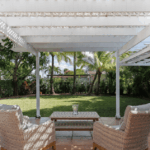
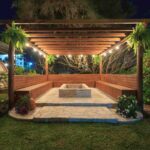
- Freestanding pergola: Best for creating a destination space away from the house, like a fire pit or seating area.
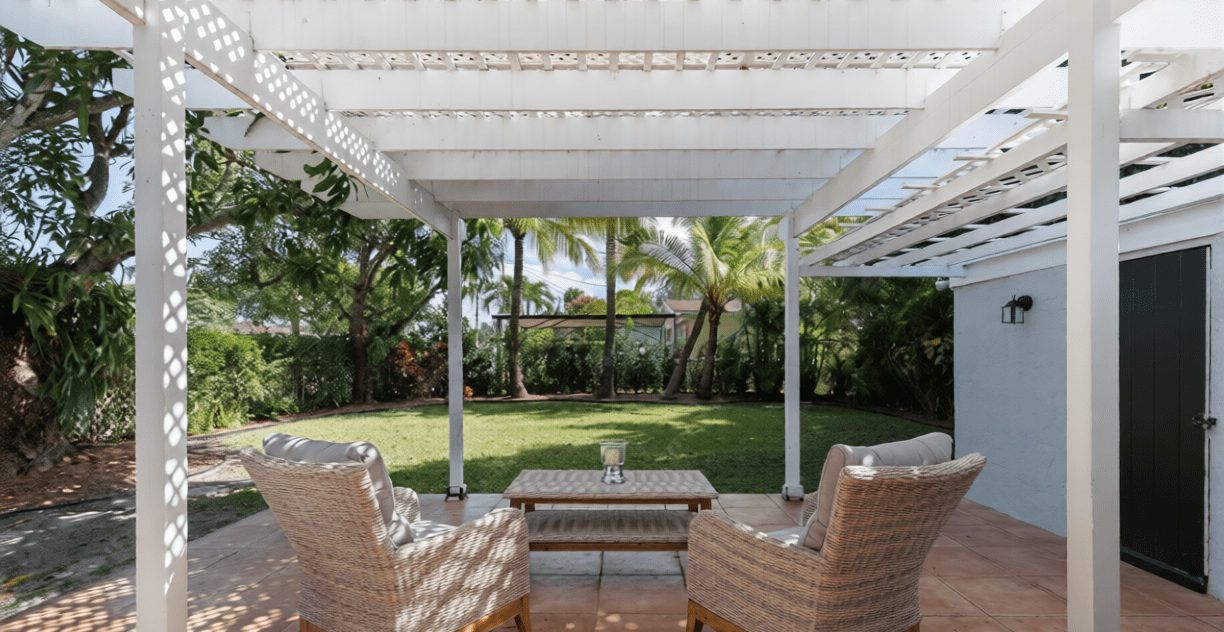
- Attached pergola: Ideal for extending indoor-outdoor living off a back door, patio, or deck.
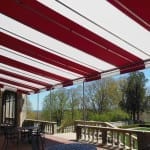
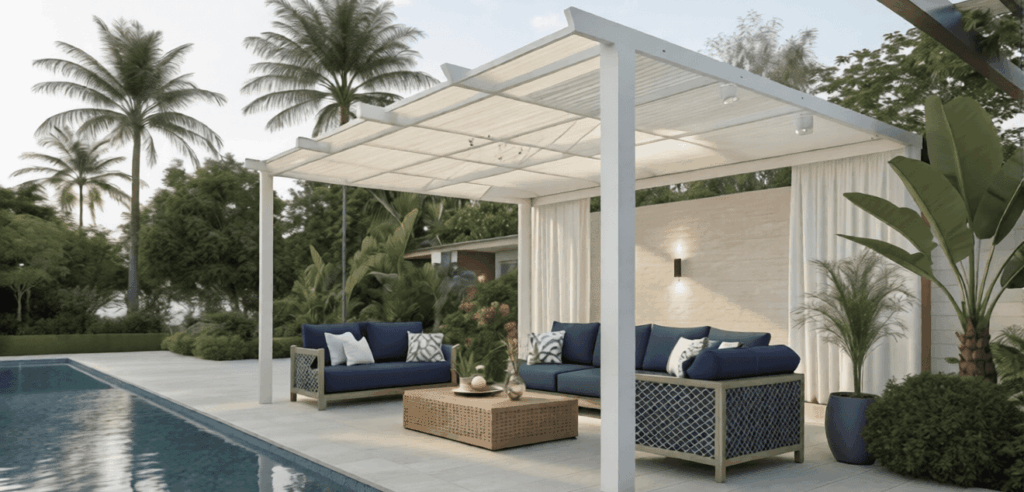
- Louvered pergola: Most flexible for changing sun and rain, especially if you want your space usable more days per year.
If you’re comparing systems and researching StruXure pergola cost, focus on what drives price: size, configuration, and features like motorization, lighting, heaters, and screens.
Choose Materials That Fit Your Maintenance Reality
A pergola should look good long after installation. The best material is the one you’ll maintain.
- Wood: Classic look and highly customizable, but needs periodic sealing or staining.
- Vinyl: Low-maintenance and moisture-resistant, with fewer custom design options.
- Aluminum: Strong, clean-lined, and typically requiring minimal upkeep, often favored for modern builds and louvered systems.
A reliable pergola installer can help you compare material performance against Connecticut weather and your design goals.
Confirm Size, Placement, and Comfort Before You Commit
Your pergola’s footprint and placement control how comfortable it feels day-to-day.
- Size for furniture, not just the slab: Leave room to walk around seating and dining zones.
- Plan for sun direction: Afternoon sun is usually the comfort killer; orient slats and coverage accordingly.
- Check drainage and slope: Water should move away from footings and adjacent structures.
- Think about wind exposure: Open yards and elevated decks need stronger anchoring and smarter roof choices.
Built for Connecticut Conditions
In CT, the right pergola is one designed for real seasonal stress. That means planning for snow and wind exposure, using proper footings, and making sure your pergola structure is engineered and installed correctly.
This is where searching pergola installers near me pays off: local pergola installers understand the permitting flow and the weather patterns your structure needs to handle.
What to Know Before Pergola Installation Begins
Site Preparation and Layout Planning
Great pergola installation starts with measurements and ground truth.
- Measure the footprint: Include door swings, walk paths, and grill clearance.
- Check drainage and slope: Water should move away from footings and the home.
- Locate utilities: Use your local utility marking process before digging.
If you want fans or lights, plan power routes early so wiring can be hidden inside the structure.
Permits and Local Code Requirements in CT
Permitting is local, and requirements vary by town. Many municipalities treat pergolas as accessory structures that involve zoning review, and some guides note that a zoning permit is required, and additional approvals may apply based on site conditions. Confirm requirements before materials arrive.
Some work may require building and zoning permits through the local planning and building office. Some jurisdictions also publish “work exempt from permits” lists that commonly reference a 200-square-foot threshold for certain detached accessory structures, while still cautioning that zoning rules can apply. Hiring pergola installers near you ensures compliance with zoning rules
The Pergola Installation Process, Step by Step
Foundation and Structural Support
A pergola is only as stable as its support system.
- Footings: Sized for soil conditions and frost realities.
- Anchoring: Hardware and embedment resist uplift and racking.
- Connections: Attachment points must be flashed and fastened correctly to avoid moisture problems.
Residential codes include structural provisions for patio-cover style applications and design-load thinking, reinforcing that these builds should be treated as real structures.
Professional Pergola Installations vs. DIY
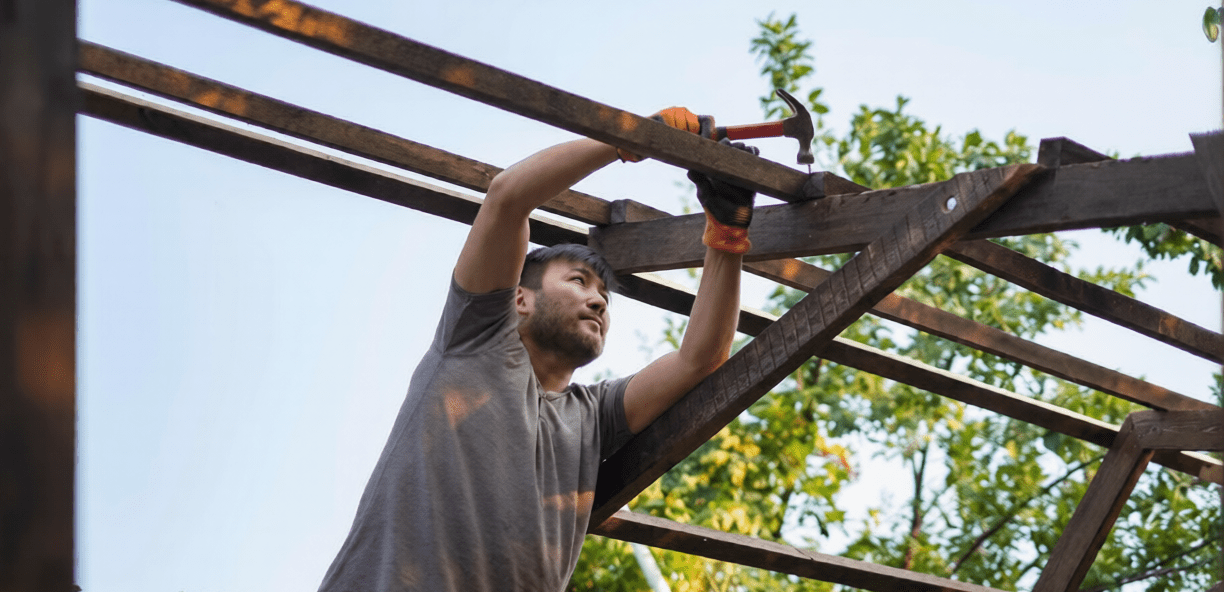
DIY can work for small kits on flat sites, but risk rises when spans increase, grades slope, or inspections are involved.
- Layout tolerance: Small errors compound across beams and rafters.
- Concrete and plumb: Shallow footings or crooked posts can shift over time.
- Inspection readiness: Pros know what documentation and details typically get reviewed.
How Much Does Pergola Installation Cost?
Key Factors That Affect Pergola Installation Cost
Cost follows scope. Most projects are shaped by a short list of variables.
- Size and spans: Bigger footprints often need heavier members and deeper footings.
- Material: Wood, vinyl, and aluminum change both material and labor demands.
- Site conditions: Access, slope, and existing hardscape affect complexity.
- Options: Electrical, lighting, and motorized roofs add planning and time.
For a realistic budget, get at least two written quotes that spell out footing details, materials, and add-ons. Ask each of the pergola installers about the timeline, cleanup, and warranty coverage.
For smart louvered systems, manufacturers emphasize that cost variation is tied to design, size, and feature selection rather than a single fixed price.
Why Professional Installation Protects Your Investment
Professional installation helps ensure drainage, clean attachment detailing, accurate alignment, and compliance with manufacturer requirements where applicable. It also reduces the chance that the first heavy storm exposes a weak point in anchoring or water management.
How to Find the Best Pergola Installers Near You
What to Look for in a Pergola Installer
When comparing pergola installers, look for proof of capability and local fit.
- Local permitting experience: They should know how your town handles accessory structures.
- Portfolio relevance: Similar homes, similar sites, similar materials.
- Clear scope and warranty: You should understand what is included and what is optional.
- Structural planning: Expect discussion of footings, anchoring, and drainage.
Why Homeowners Across CT Trust Durkin’s
Durkin’s takes a full-project approach to pergola installations in Connecticut: design help that fits your home, site prep that prevents surprises, and installation practices that prioritize structure and finish quality.
Frequently Asked Questions
A pergola installer designs, prepares, and completes pergola installation, including layout, footings, anchoring, and code-aware construction for long-term durability.
Most pergola installations take one to three days after permits are approved, depending on size, site conditions, and pergola structure complexity.
Many CT towns require zoning or building permits for pergola installation, especially for attached pergolas or structures over a certain size.
StruXure pergola cost varies by size, configuration, and features like motorized louvers, lighting, and heaters, with pricing customized per project.
Hiring local pergola installers near you ensures proper footings, weather-rated materials, permit compliance, and a pergola installation that lasts through Connecticut seasons.
Get Expert Pergola Installation in Connecticut
If you want a pergola that looks intentional and performs through Connecticut seasons, Durkin’s can help you choose the right pergola structure, prepare your property, and complete pergola installation with clear expectations from start to finish in CT.