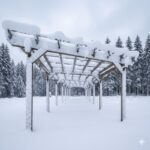
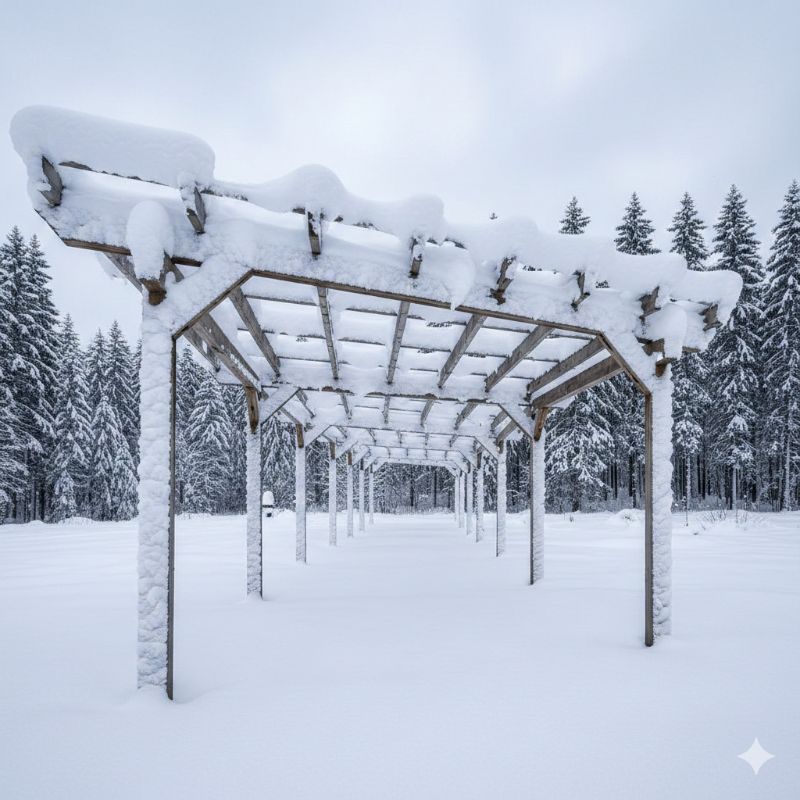
Winter is rewriting what outdoor living has to handle. In places like Connecticut, snow is not just a seasonal inconvenience; it is a structural load that can stress beams, fasteners, footings, and roof panels.
A pergola can withstand snow, but only when it is designed and installed for your local snow-load requirements and your specific roof style. Codes require that snow loads be considered in structural design, and Connecticut’s building code calls for roof snow load data to be accounted for in construction documents where applicable.
💡Quick Facts
- Snow load is measured as force, not inches of snowfall.
- Wet snow can weigh far more than dry powder, increasing risk even with “moderate” accumulation.
- Covered pergolas need a roof snow-load design, similar to other roofed outdoor structures.
- Drifting can overload one section, especially near higher roofs, fences, or wind breaks.
- Connecticut projects typically require snow load documentation in structural design information when applicable.
Table of Contents
- Can a Pergola Withstand Snow?
- What Determines a Pergola’s Snow Load Capacity?
- Are Covered Pergolas Better for Snow?
- How Much Snow is Too Much for a Pergola?
- Best Pergola Ideas for Snowy Backyards
- Should You Customize a Pergola for Connecticut Winters?
- Pergola Maintenance Tips for Winter Longevity
- Frequently Asked Questions
- Get a Pergola Built for Connecticut Weather
Can a Pergola Withstand Snow?
A pergola can handle snow when it is built as a true structure, not just a decorative backyard feature. The difference usually comes down to three things:
- Local snow-load design based on code and engineering practice, not guesswork
- A roof style that manages accumulation, especially if it is covered
- Proper installation, including anchoring and footings that keep the structure stable as loads increase
Snow load isn’t simply measured by the depth of snowfall. Snow density varies by temperature and moisture, and drifting can pile snow deeper in certain spots. Modern standards like ASCE 7 guide how snow loads are determined and applied to roofs and similar structures.
What Determines a Pergola’s Snow Load Capacity?
Material Choice and Structural Strength
Material affects strength, stiffness, and how a pergola holds up after years of freeze-thaw cycles.
- Wood pergolas can be very strong when beams and posts are sized correctly and protected from moisture.
- Aluminum pergolas are often engineered systems with consistent strength and good weather resistance, depending on design.
- Vinyl pergolas can perform well when reinforced, but the details matter. Hollow members and light framing can limit load capacity.
No matter the material, capacity depends on the whole system: post size, beam span, spacing, hardware, and connections.
Pergola Design And Roof Style
Design choices directly affect whether snow slides off, builds up, or drifts into heavier pockets.
- Open-slat pergolas do not carry a roof snow load the same way a solid roof does, but snow can still collect on members and create uneven loading.
- Covered pergolas add comfort and weather protection, but they also add a roof surface that must be designed for snow loads.
- A roof with a slope can shed snow more effectively than a flat roof, but drifting and ice can still create heavy areas.
Codes and engineering guidance treat snow as a design load that must be translated from local ground conditions to roof conditions using adjustment factors.
Installation Quality and Engineering
Two pergolas can look identical and perform very differently because of what you cannot see.
- Footings and anchoring help prevent shifting, uplift, and racking under load.
- Fasteners and connectors matter because snow load is not just a vertical force. Wind, drifting, and freeze-thaw movement can work joints loose over time.
- Site exposure matters. A windy, open yard can drift snow onto one side of a patio pergola, increasing localized loads.
Are Covered Pergolas Better for Snow?
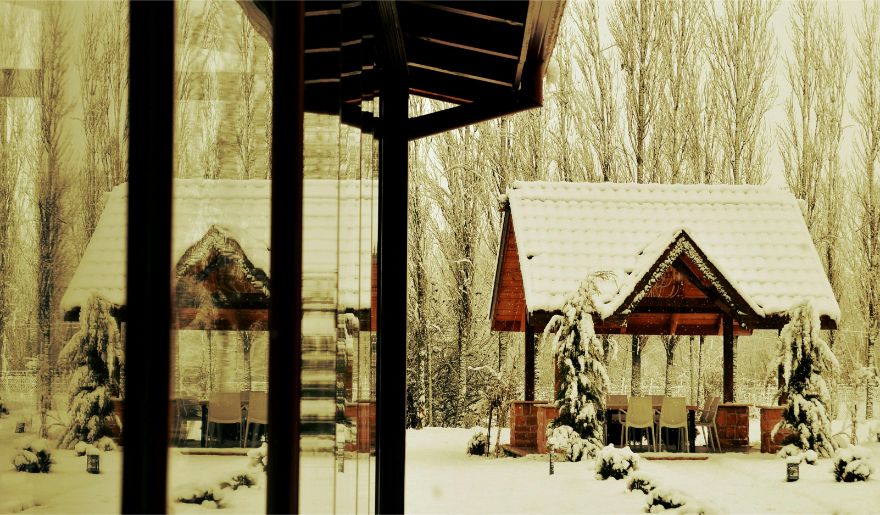
Covered pergola ideas are popular for good reason: they extend patio season and protect furniture. For snow, better on how the roof is built.
A covered pergola can be a smart choice when:
- The roof is engineered for local snow loads
- The design includes adequate support spacing and proper beam sizing
- The roof style is chosen with accumulation and drainage in mind
A covered roof also introduces additional considerations:
- More surface area for snow to sit on
- Potential ice dams or refreezing, depending on the roof type and temperature swings
- More maintenance after storms, especially if the roof is low-slope
Connecticut’s building code language around roof snow load data reinforces that snow loads are not optional details in structural design.
How Much Snow is Too Much for a Pergola?
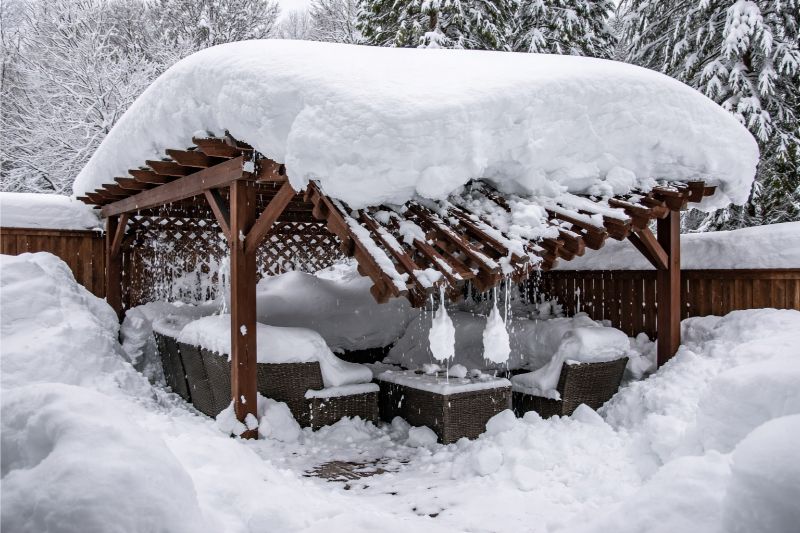
There is no single safe number of inches because snow weight varies, and roof geometry changes how loads concentrate. The more useful way to think about it is risk triggers.
High-risk situations include:
- Heavy, wet snow that compacts quickly
- Multiple storms back-to-back with little melt in between
- Drifts created by wind or nearby structures
- A low-slope covered roof where snow does not naturally slide off
Warning signs a pergola is struggling:
- Visible sagging in beams or roof panels
- New creaks or popping sounds under load
- Misaligned posts or shifting at the base
- Cracked fasteners or loosening connectors
If you remove snow, prioritize safety:
- Use a roof rake from the ground when possible
- Avoid sharp tools that can damage panels
- Do not climb onto a roofed pergola unless a qualified professional advises it
- Remove smaller amounts more frequently to reduce sudden load changes
For context on how common snow can be in the region, Connecticut has measurable annual snowfall across many communities based on climate normals and historical observation data.
Best Pergola Ideas for Snowy Backyards
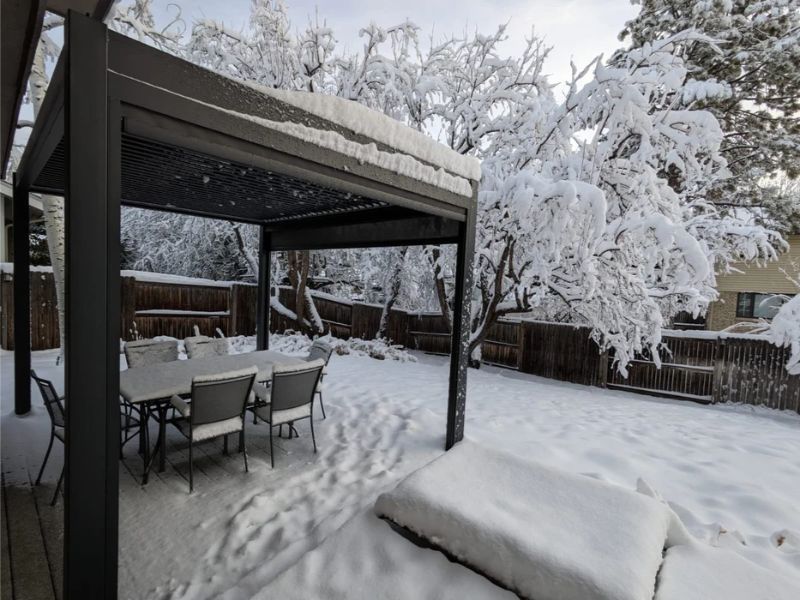
Backyard pergola ideas can still look clean and modern while being winter-capable. In snowy climates like Connecticut, the best-performing pergola design choices emphasize clear load paths, fewer extra spans, and materials and connections that stay stable through freeze-thaw cycles.
Practical Pergola Design Features For Snowy Climates
- Shorter spans between posts to reduce beam stress and limit sag over time
- Deeper beams sized for the span and roof type, so the structure can carry the expected winter loads
- Strong beam-to-post connections using structural hardware built for exterior conditions
- A roof pitch that encourages shedding when a covered pergola is selected
- Thoughtful placement to reduce drifting by avoiding wind funnels, roof edges, and open corners where snow piles up
1.Open-Structure Patio Pergola for Defined Outdoor Living
An open-structure patio pergola is ideal if you want a framed outdoor space without adding a solid roof surface that traps snow. This option works well for homeowners who want a lighter look while still prioritizing strength and durability.
- Supports lighting, string lights, and seasonal shade elements
- Performs best with sturdy posts, properly sized beams, and secure anchoring
- Keeps the space visually open while still creating a “room” feeling outdoors
2.Covered Patio Pergola Built as a True Roofed Structure
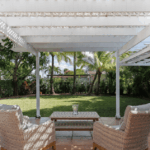
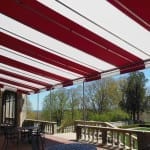
A covered pergola is a stronger choice for weather protection, but it must be designed with snow load in mind from day one. This is the option that can extend outdoor use deeper into fall, winter, and early spring.
- Designed like a roofed structure, not a decorative add-on
- Typically uses heavier beams, closer spacing, and more robust hardware
- Works well for outdoor seating areas where year-round coverage matters
3.Sloped-Roof Pergola for Better Snow Shedding
If you want a covered pergola in Connecticut, a sloped roof can help snow slide off instead of accumulating on top. It is a design-forward upgrade that also supports winter performance.
- Encourages shedding to reduce prolonged load during back-to-back storms
- Helps reduce standing moisture that can refreeze into ice
- Pairs well with clean, modern pergola design aesthetics
4.Wind-Smart Backyard Pergola Placement to Reduce Drifting
Where you place your outdoor pergola can matter as much as how you build it. Drifting can overload one section of a pergola, especially near wind breaks or rooflines.
- Avoid placing pergolas directly below higher roof edges where snow can slide or drift
- Keep a distance from fences and tall hedges that create snow traps
- Position the structure to reduce wind-driven piling on one side
5.Reinforced Covered Pergola Details for Winter Durability
Covered pergola ideas can be optimized for long-term performance with structural details that protect against heavy snow, ice, and moisture exposure.
- Reinforced edge beams to support higher load areas
- Roofing materials chosen for winter weather exposure and water management
- Connection details that resist loosening from freeze-thaw movement
These patio pergola ideas and backyard pergola ideas give you clear options: go open and strong for a lighter look, or go covered and engineered for full-season performance. For Connecticut winters, the best pergola design is the one that matches how you actually want to use the space and is built to handle the weather it will face.
Should You Customize a Pergola for Connecticut Winters?
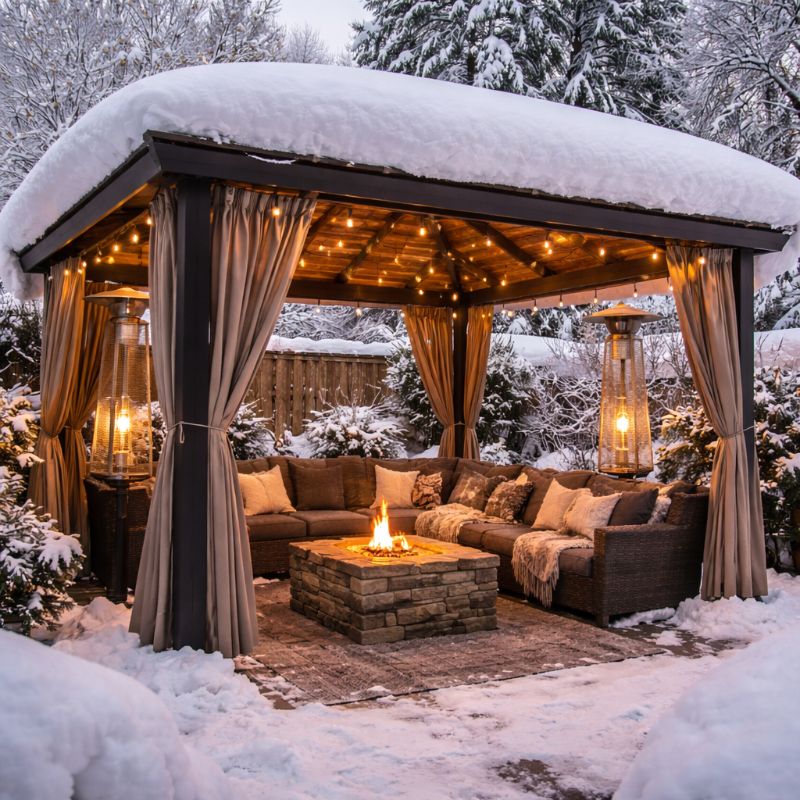
If you live in Connecticut, customization is less about aesthetics and more about local realities. Snow, wind, and freeze-thaw cycles punish shortcuts.
Searching “pergolas near me” can be valuable because a local builder is more likely to:
- Understand how Connecticut jurisdictions handle code adoption and documentation
- Plan around local exposure, drainage, and site conditions
- Recommend patio pergola and outdoor pergola options that match the way the region actually behaves in winter
Connecticut’s building code provisions related to snow load documentation highlight why local design matters. You want your pergola planned like a structure, not treated like a kit.
Pergola Maintenance Tips for Winter Longevity
A strong pergola lasts longer when it is maintained with winter in mind.
- Inspect connections in late fall for loosened hardware or movement
- Clear gutters or drainage paths on covered roofs so meltwater does not refreeze into heavy ice
- Check posts and bases for water pooling and soil erosion
- Address small issues immediately, since winter magnifies minor weaknesses
Frequently Asked Questions
Roof snow load in Connecticut typically ranges from 30 to 50 pounds per square foot, depending on location, elevation, and exposure. Local building departments determine the exact requirements for each site.
Yes. A properly built pergola designed for local weather conditions can remain in place year-round, including through snow and freezing temperatures.
Inspect and tighten hardware, clear debris before snowfall, ensure proper drainage on covered roofs, protect wood with weather-resistant finishes, and safely remove excess snow after heavy storms if needed.
The best pergola for winter is one that is engineered for snow load, uses strong posts and beams, has secure anchoring, and includes a sloped or properly designed roof if covered.
A well-built pergola typically lasts 15 to 25 years or more, depending on materials, installation quality, maintenance, and exposure to weather.
Get a Pergola Built for Connecticut Weather
If you want a patio pergola that looks sharp in July and holds up in January, treat snow load as a design requirement, not an afterthought. Durkin’s Inc builds outdoor pergolas and covered pergola structures with Connecticut conditions in mind, so you can invest once and enjoy it for years.
Request a site visit to evaluate placement, exposure, and layout, and discuss pergola ideas that match your yard, home style, and winter priorities
Get a build plan aligned with Connecticut requirements and long-term durability today!